Five Travel Claims Worth Ignoring
From "visa-free means no checks" to the persistent Schengen claim, the beliefs that cause refusals.
The biggest myth about visa-free travel? That it means "no rules." Far from it. Visa-free status isn't a right to enter a country. It’s simply a waiver of the need to get a visa before you travel, and it comes with strict conditions on your stay, your purpose, and required pre-authorizations. You can still be turned away at the border.
These agreements exist to boost tourism and short-term business, but travelers often stumble over the fine print. Understanding the limits is crucial for a smooth trip. Here, we'll debunk the most common myths using official examples from the U.S. Visa Waiver Program (VWP) and the Schengen Area to help you avoid expensive mistakes.
Myth #1: Does "Visa-Free" Mean I Can Stay as Long as I Want?
Absolutely not. Visa-free travel is always for a limited time. While both the U.S. Visa Waiver Program (VWP) and the Schengen Area use a 90-day limit, how they count those days is completely different.
The Schengen Area uses the "90/180 rule," outlined in laws like Regulation (EU) 2018/1806. This allows a stay of "no more than 90 days in any 180-day period." The key word is any. It's a rolling window, not a simple reset every six months. To check your compliance, you must always look back over the last 180 days from today—and, crucially, from your planned departure date—to ensure your total days in the zone never top 90. One miscalculation can easily trigger an overstay violation, which may not be discovered until your next trip, potentially leading to a denied entry years later.
With the United States, VWP entry grants a stay of up to 90 days. You don't automatically get the full 90. A U.S. Customs and Border Protection (CBP) officer at your port of entry decides your specific departure date, stamping it in your passport or logging it in your electronic I-94 record. That date is final. It cannot be extended. Overstaying by a single day can make you permanently ineligible for the VWP, not to mention risking fines, deportation, and entry bans.
Myth #2: If It's Visa-Free, Can I Just Show Up at the Airport?
No. That era is gone. Most major visa-waiver schemes now require a pre-travel online authorization, often called an Electronic Travel Authorization (ETA). This isn't a visa; it's a mandatory security pre-screening.
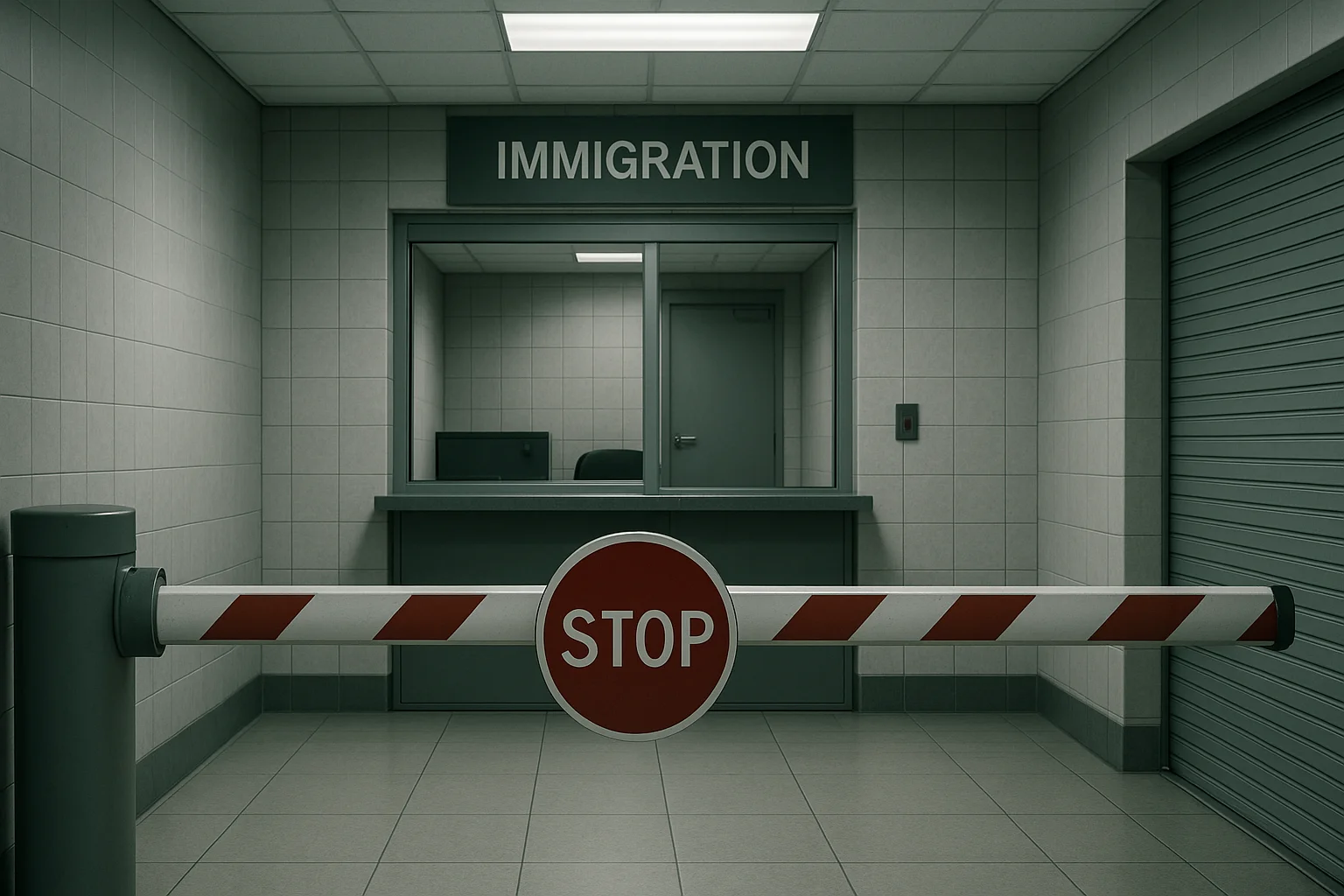
For the United States, any travel under the Visa Waiver Program requires an Electronic System for Travel Authorization (ESTA). You must apply for and get an approved ESTA before you even head to the airport. Airlines will deny boarding to any VWP traveler whose valid ESTA isn't linked to their e-passport. Remember, an approved ESTA only makes you eligible to fly; it doesn't guarantee you'll be let into the country.
Soon, the European Union will have a similar system: the European Travel Information and Authorisation System (ETIAS). Once it goes live (expected mid-2025), visa-exempt travelers heading to the 30 countries in the Schengen and associated areas must have one. Just like ESTA, ETIAS will be linked to your passport and last for up to three years or until your passport expires. Systems like these are now the global standard for border security, with the UK (ETA), Canada (eTA), and Australia (eTA) having similar programs.
Myth #3: Does Visa-Free Status Grant Me an Automatic Right of Entry?
A visa waiver guarantees nothing. Not a single program in the world guarantees entry. A visa or a waiver is just permission to travel to a port of entry and ask to be let in. A border control officer always makes the final call.
That officer—whether a CBP agent in the U.S. or a border guard in a Schengen country—holds the ultimate legal authority. They will judge your eligibility based on why you're traveling, whether you can support yourself financially, and if you have strong ties to your home country that prove you intend to leave.
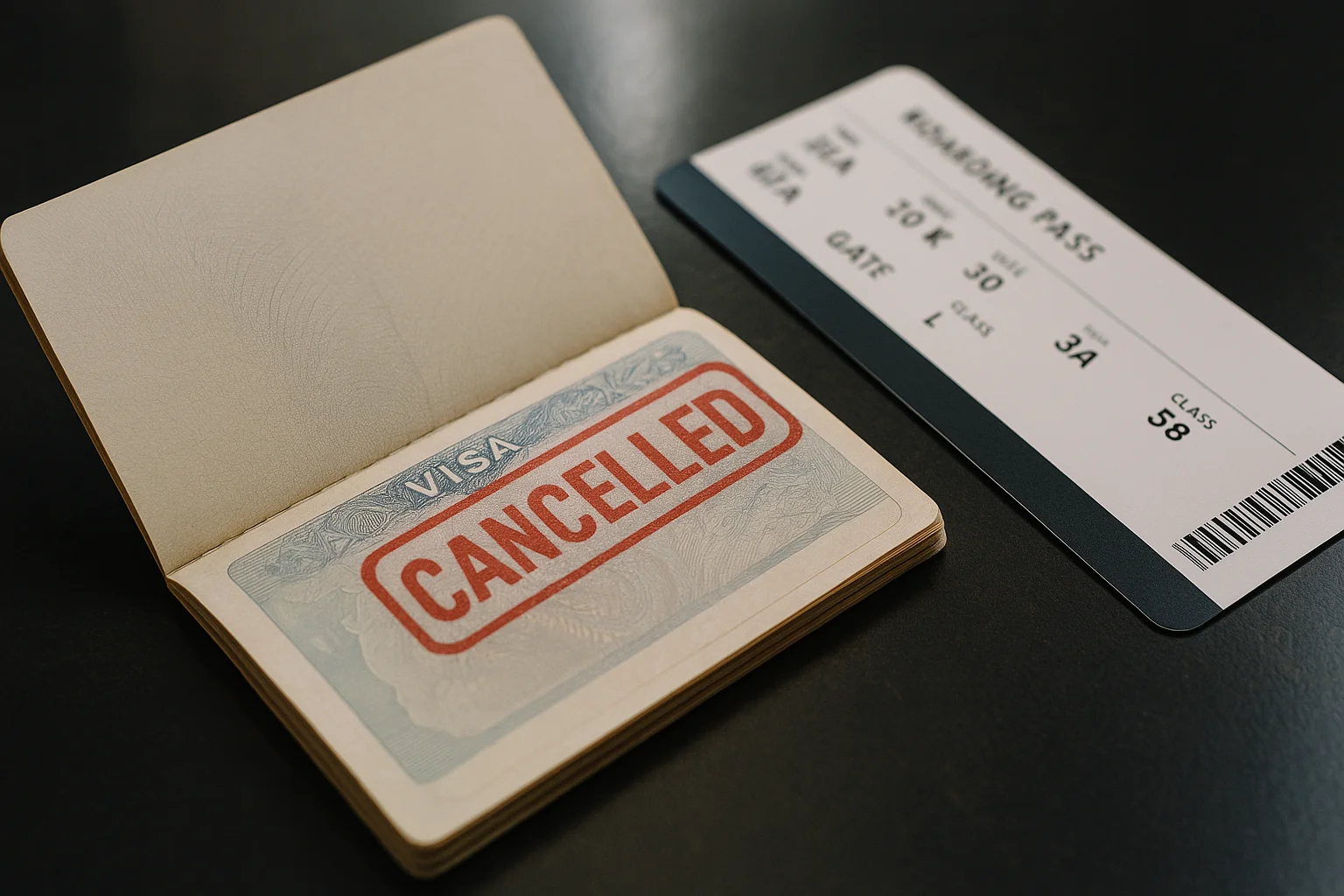
What are they looking for? "Immigrant intent"—the suspicion that you secretly plan to stay, work, or live illegally. Be ready to counter this. Have your return flight ticket, hotel reservations, and proof of sufficient funds easily accessible. The Schengen Borders Code, for example, states that all travelers must meet all entry conditions upon arrival, even if they're from a visa-exempt country. You can be refused entry on the spot if you're deemed a risk to public policy, internal security, or public health.
Myth #4: Can I Work, Study, or Live as a "Digital Nomad" on a Visa-Free Entry?
This is one of the most dangerous myths. Visa-free travel is for tourism and a very narrow list of business activities. Any kind of local work, formal degree-track study, or setting up residence is absolutely forbidden.
Permitted "business" activities are things like attending meetings, negotiating contracts, or going to a conference. This does not mean you can be employed by a local company, get paid by a local source, or do anything that counts as local employment.
The "digital nomad" lifestyle exists in a huge legal grey area. Sure, checking work emails while on vacation is fine. But actively working your full-time remote job while sitting in another country on a tourist waiver can be a violation of their immigration laws. You are performing labor in their territory without authorization. Recognizing this, many countries are now launching specific "digital nomad visas" to properly regulate this. Trying to live the nomad life on a visa waiver is a gamble that can end with deportation, long-term entry bans, and the permanent loss of your visa-free privileges. If your plans go beyond simple tourism, you need to explore official options like a residence permit.
This article is published by an independent law firm for informational purposes only and does not represent or claim affiliation with any government body, international organization, or official authority.
Questions
Frequently Asked Questions
It's based on agreements between countries. If your passport is from a country with a visa-waiver agreement, you can skip the embassy visit for a visitor visa. Instead, you travel directly to the country and ask for admission at the border for a short stay (like 90 days). But you still must meet all entry conditions and get any required pre-authorizations, like an ESTA.
Always go to the source. Deal directly with the country's official embassy or consulate website. Be extremely cautious of third-party agents who promise a guaranteed visa for a high fee—this is a classic red flag. Real visas have security features like holograms and are physically placed in your passport. For electronic travel passes like ESTA, only use the official government domain (for the U.S., that's esta.cbp.dhs.gov ).
It's a mix of diplomacy, economics, and security. Strong diplomatic ties often lead to visa waivers. Countries also want to attract tourists and business from wealthy nations, so they may drop visa requirements to make travel easier. On the flip side, if a country is seen as a source of illegal immigration or security threats, visa requirements will be strict. And sometimes, it's just about reciprocity: if Country A makes our citizens get a visa, we'll do the same to theirs.
There's usually no such thing. The term "free visa" is often clickbait. Most visa-waiver pre-authorizations, like the U.S. ESTA, cost money for processing. You definitely cannot get a formal visa (the sticker in your passport) for free online. Some countries offer a visa-on-arrival, which might be free, but that's different. Your best bet is to apply for travel authorizations only through official government immigration websites. Ignore sites advertising "free visas," as they are often scams designed to steal your information or money. { "@context": "https://schema.org", "@graph": [ { "@type":
Contact Us
Schedule Your Free Case Evaluation Today
Share the details of your situation with our team, and we'll provide a prompt, confidential response. We're here to listen, answer your questions, and help you understand your legal options.
Send Us a Message
Reach Us Directly
All consultations are strictly confidential and protected by legal professional privilege.